Our team
Project Leads
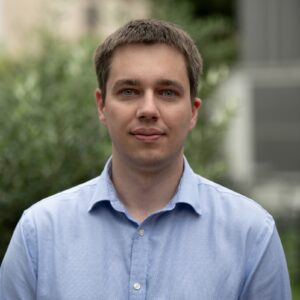
doc. Mgr. et Mgr. Ing. Štěpán Bahník, Ph.D.

doc. Ing. Petr Houdek, Ph.D.
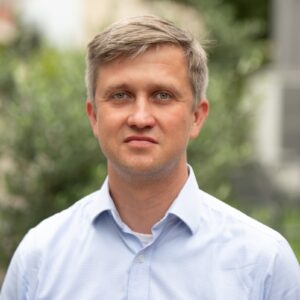
doc. PhDr. Lubomír Cingl, Ph.D.
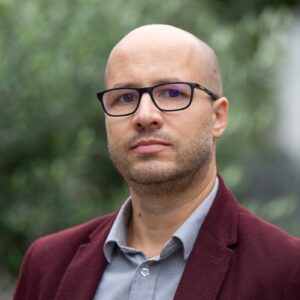
doc. Ing. Marek Hudík, Ph.D.

Mgr. Nikola Frollová, Ph.D.

Dr. Will M. Bennis, Ph.D.

Ing. Tomáš Miklánek, M.A., Ph.D.
Lab Manager
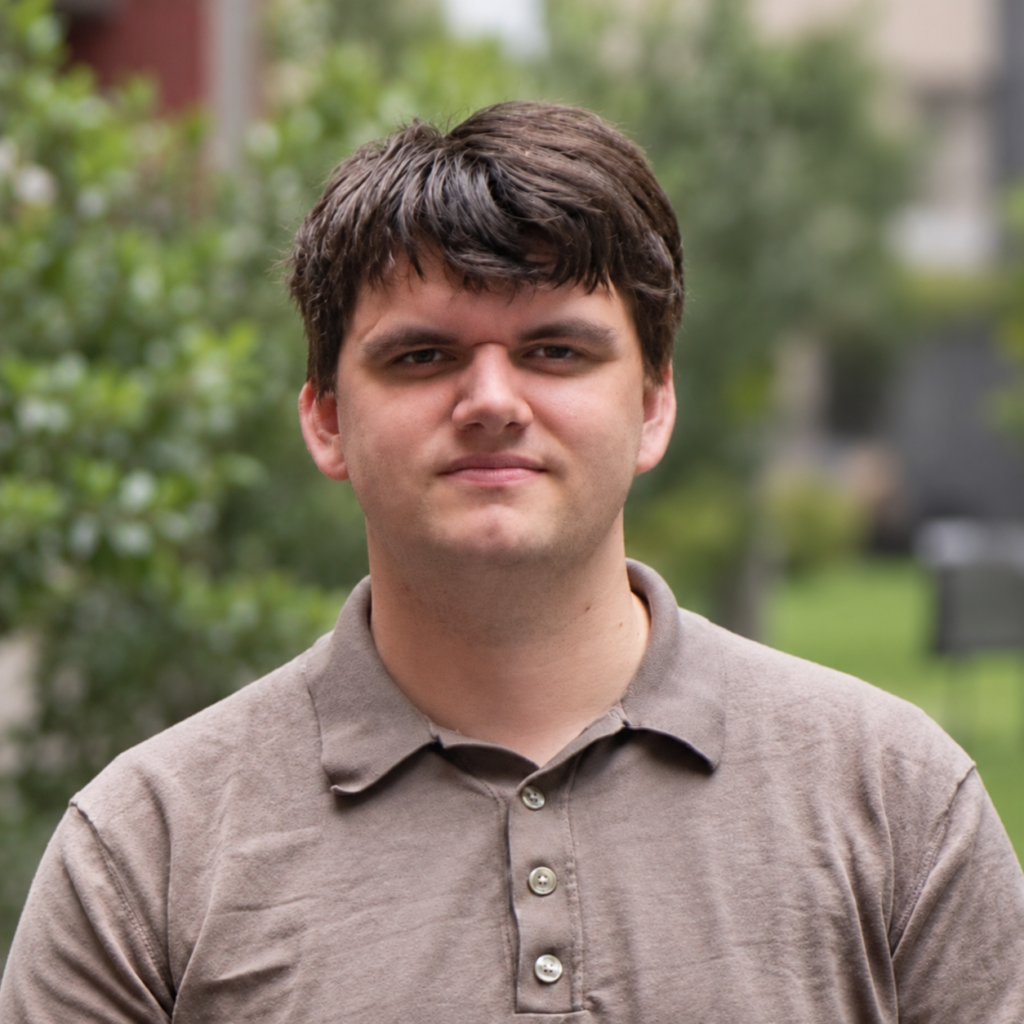
Bc. Jan Kolín
Postdocs
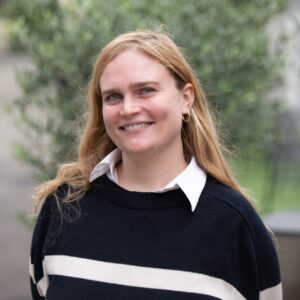
Claire Mollier, Ph.D.
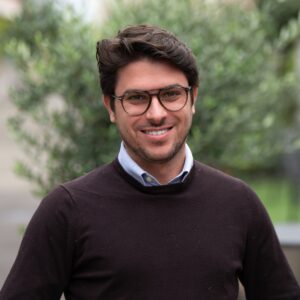
Alessandro Stringhi, Ph.D.

Nathalie Muller, Ph.D
Doctoral Students
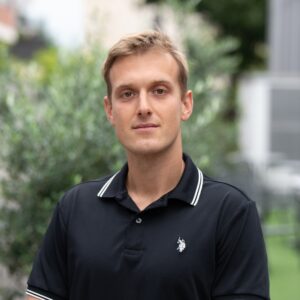
Ing. Michael Arntz

Mgr. Klára Urbanová

Ing. David Řehulka

Ing. Nicolás Olivera Freire, MBA
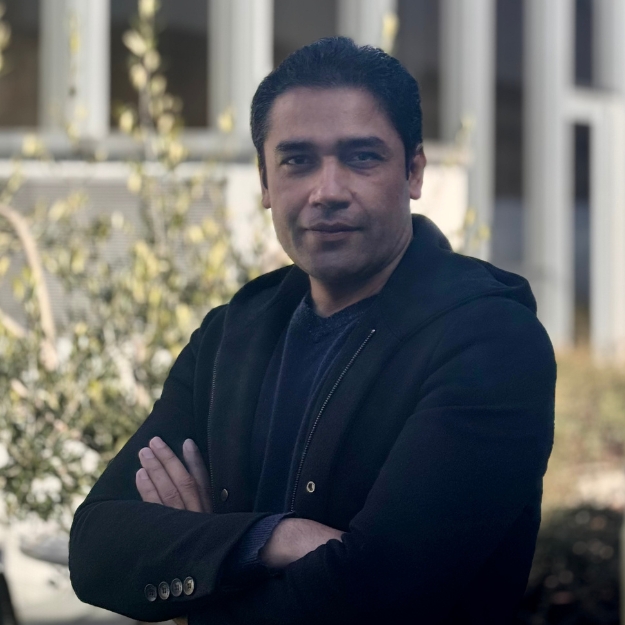
Saleem Azhar, MSc

Niklas Jung, Msc
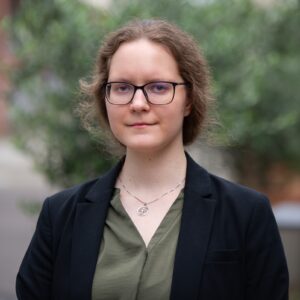
Ing. Lenka Valerianová
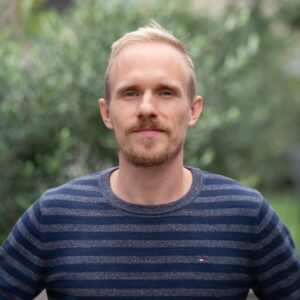
BSc. Peter Preglej, MSc
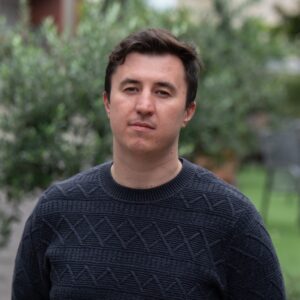
Mgr. Nicolas Say
Research Assistants
Bc. Jan Kolín
Adéla Kulhavá
Yi-Jhen Chen
Bc. Mascha Luna Wielandová
Bc. Jan Kořínek
Bc. Nina Muráňová
Bc. Anežka Blažková
Ing. Klára Vítečková, Ph.D.

doc. Mgr. et Mgr. Ing. Štěpán Bahník, Ph.D.
Štěpán Bahník’s research focuses on judgment and decision-making, with particular emphasis on moral judgment and behavior, the anchoring effect, and processing fluency. He is also interested in open science, psychological methodology, statistics, programming, and the intersections between psychology and computer science.
doc. Ing. Petr Houdek, Ph.D.
Petr Houdek specializes in behavioral economics, focusing on how people perceive information, reason, and make decisions, not only in economic contexts. He works on improving employee and managerial decision-making through choice architecture (nudging) in organizations and the public sector. He also conducts field and laboratory experiments on dishonesty and decision-making biases.
doc. PhDr. Lubomír Cingl, Ph.D.
Lubomír Cingl focuses his research primarily on behavioral and experimental economics, with some overlap into social psychology. His projects explore the effects of stress on human behavior, theories of secularization and religious (or non-standard) beliefs, dishonesty, tax compliance, antisocial and delinquent behavior, risk preferences, and individuals’ willingness to compete.
doc. Ing. Marek Hudík, Ph.D.
Marek Hudík’s research focuses on individual and strategic decision-making and its consequences for organizations, markets, and society. He focuses primarily on how decision-making is influenced by institutional rules. He is also interested in the methodology and history of economics. In addition to research, he is involved in popularizing science.
Mgr. Nikola Frollová, Ph.D.
Nikola’s research focuses on judgment calibration and overconfidence, including metacognition, illusion of control, and motivated reasoning. She also studies attributions of success and failure in organizations, human–AI interaction, with a focus on trust, delegation, and human oversight, as well as dishonesty and ethical behavior in organizations.
Dr. Will M. Bennis, Ph.D.
Will Bennis’s research focuses on how culture, the built environment, and cognition shape normative judgments (judgments about what is rational, adaptive, true, or moral) and examines the extent to which those judgments, and the decisions they inform, can themselves be considered normative.
Ing. Tomáš Miklánek, M.A., Ph.D.
Tomáš Miklánek focuses in his research on experimental and behavioral economics, with an emphasis on cooperation, the effectiveness of nudges and behavioral interventions, and the interaction between monetary and intrinsic motivations.
Claire Mollier, Ph.D.
Claire Mollier’s research focuses on gender, discrimination, and inequality, using both lab and field experiments. She also values science communication by sharing her work through (French) YouTube videos for instance. She founded and organized during 2 years informal research seminars in Paris with junior experimentalists.
Agnieszka Kolasinska, Ph.D
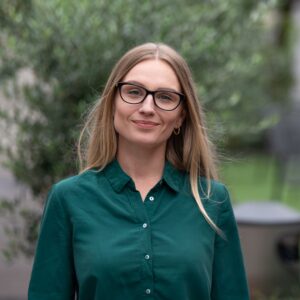
Agnieszka Kolasinska’s scientific interests lie at the intersection of cognitive psychology, aging, and digital health, with a primary focus on promoting healthy and successful aging. She focuses on the development and evaluation of eHealth and mHealth interventions that target cognitive health, well-being, and self-management in older adults and people with chronic conditions. She combines quantitative and qualitative methods, using participatory and co-creative design to ensure that digital innovations are evidence-based, user-centered, and adapted to the specific needs and capacities of diverse populations, including individuals with dementia and other vulnerable groups.
Alessandro Stringhi, Ph.D.
Alessandro Stringhi’s research focuses on prosocial behavior, with a particular emphasis on understanding and mitigating the social and behavioral consequences of inequality. He has a growing interest in the economic and institutional roots of organized crime, using field and lab experiments to study how social norms and collective behavior respond to corruption and criminal infiltration. His approach combines experimental methods with formal tools from game theory, aiming to build structurally grounded explanations for complex social and moral behavior.
Nathalie Muller, Ph.D.
Nathalie’s research focuses on behavioral and experimental economics, with a particular interest in social norms, peer effects, and health behaviors. She studies how social incentives and expectations influence individual decision-making, and how moralization, identity, and polarization shape behavior in collective and environmental contexts. Combining theoretical insights from economics with experimental methods, her work examines the mechanisms through which social influences drive human behavior across health and societal domains.
Mgr. Nicolas Say
Nicolas Say is a psychologist, researcher, and psychotherapist in training specializing in behavioral interventions. He is passionate about improving mental and physical health. He also creates podcasts exploring the intersections of psychology, performance, technology, and futurism.
Ing. Michael Arntz
Michael Arntz focuses on decision-making, with particular emphasis on ethical considerations, context effects, and choice architecture. His work examines how changes in policy and information design influence moral judgments and behavior. He is also interested in applying these insights to domains such as sustainability, organizational decision-making, and the design of interventions that encourage socially responsible choices.
Mgr. Klára Urbanová
Klára Urbanová is interested in how behavioral economics can explain and improve decision-making in communication (both commercial and institutional), including nudging and gamification. Her current research explores anchoring bias in promotional contexts. She holds both academic and professional experience in international business and marcom.
Ing. David Řehulka
David Řehulka is a finance and data expert who focuses on research in the field of neuroeconomics and behavioral finance. He has experience in portfolio management, investment analysis, and the valuation of complex financial products, and he applies his quantitative, statistical, and analytical skills in practice.
Ing. Lenka Valerianová
Lenka Valerianová is interested in behavioral economics (especially behavioral finance) in the contrext of topics such as decision making, deception, fraud and crime. Her current research uses experimental methods to study willingness (and ability) to deceive.
BSc. Peter Preglej, MSc
Peter Preglej studies overconfidence and how it affects people’s judgments and decisions. His current doctoral work investigates the relationships between overconfidence and several personality-related variables (such as self-esteem and beliefs about ability) in laboratory experiments and in a large admissions dataset. He is also involved in a research project on overconfidence and health behavior among older adults. In addition, he works on gender and decision-making, including gender differences in financial risk tolerance.
Ing. Nicolás Olivera Freire, MBA
Nicolás Olivera’s research focuses on human-AI collaboration in managerial decision-making. He is particularly interested in what shapes people’s reliance on AI-based decision support and how such reliance can be better calibrated. His current research examines these questions in the context of AI-assisted project forecasting, an area closely related to his professional background in operations, management, and technology.
Niklas Jung, Msc
As a psychologist, Niklas is interested in how individuals make choices and how this changes when AI is involved. He asks how that interaction affects decision quality and delegation behavior, what decision-making across domains will look like in the future, and what happens to collective judgment as groups grow larger. Methodologically, he works primarily with behavioral data from experiments and digital trace data.